

10 Things Retailers Need to Know About Endless Aisle in 2026
1. The walkout problem is costing retailers $500 billion a year
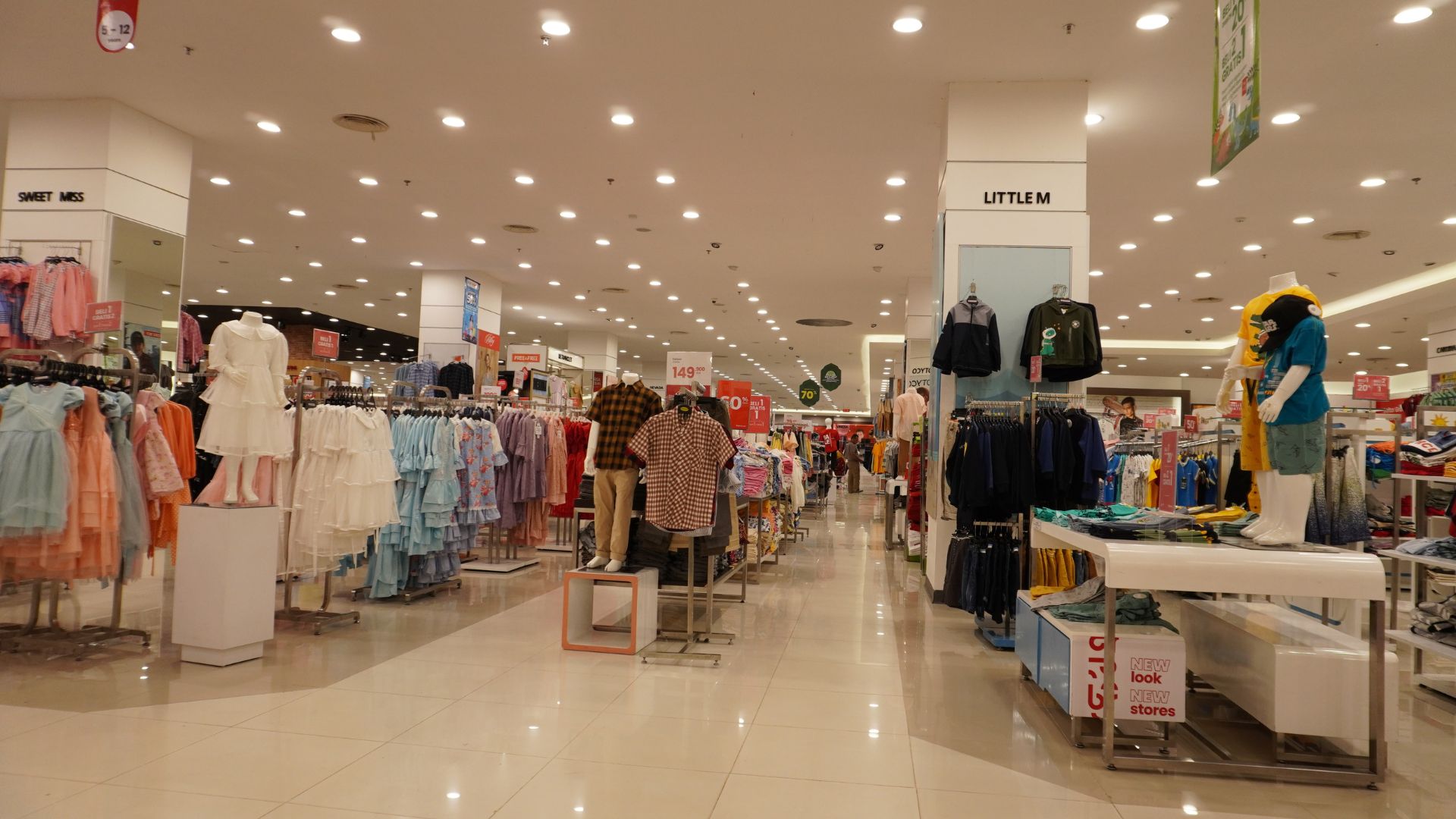
Physical retail in comparison goods (fashion, electronics, homeware, sporting goods, DIY) is a $7 trillion market. An estimated $500 billion of that is lost every year because shoppers walk out empty-handed. The three main reasons: the store does not stock what they want, they cannot decide between options, or checkout queues are too long. Endless aisle directly addresses the first of those, and modern implementations increasingly tackle the other two as well.
Sources: IHL Group 2025; Cloudshelf analysis (Jan 2026)
2. The market is growing at 18.5% a year, and it is still small
The endless aisle market in fashion alone was worth $2.5 billion in 2024 and is projected to reach $12.2 billion by 2033, growing at 18.5% CAGR. That sounds impressive until you compare it with the scale of the problem it solves. A $2.5 billion technology market addressing a $500 billion loss means penetration is still in the low single digits. Most retailers have not deployed endless aisle at all. The opportunity is wide open.
Source: Growth Market Reports, Endless Aisle Fashion Market
3. Smaller stores make endless aisle more important, not less
Macy's is pushing smaller format stores. IKEA is experimenting with compact urban locations. Best Buy and Target are doing the same. The logic is sound: smaller stores cost less to operate. But the more inventory retailers take out of stores, the more they risk forcing customers online. Endless aisle solves this directly. A smaller store with endless aisle can offer the same range as a flagship, with fulfilment from warehouse, other stores, or online inventory.
Sources: Macy's Inc (Jul 2024); Inc.com (Jul 2024); Commercial Observer (Jul 2024)
4. Shoppers expect the online experience in-store (and they are not getting it)
67% of shoppers research online before buying in-store. Around half use their phones while shopping. They arrive with expectations set by personalised, data-rich eCommerce. Then they encounter a physical store that knows nothing about them, offers no recommendations, and displays a fraction of the available range. The gap between online personalisation and in-store reality is one of the defining challenges in retail today. Endless aisle, done well, starts to close it.
Sources: Salsify Q4 2025; Forrester
5. AI is changing what "endless aisle" actually means
Endless aisle used to mean putting a catalogue on a screen. That is table stakes now. In 2026, the most effective implementations add AI-powered product guidance on top of the catalogue. Instead of leaving shoppers to scroll through hundreds of products, an AI buyer guide asks a few questions and narrows the selection to a shortlist that fits. This addresses the second walkout driver (too many options, not enough confidence to choose) and turns a passive browse into a guided purchase.
Cloudshelf is one of the few platforms that combines endless aisle with an AI buyer guide as a single product. Most competitors offer one or the other, not both. That said, this is an area where the technology is developing quickly, and retailers should evaluate what each vendor actually delivers versus what they promise on a roadmap.
6. Brick-and-mortar AI adoption is half the rate of eCommerce
According to KPMG's 2026 retail AI report, 71 to 77% of eCommerce operations have adopted AI, but only 40 to 50% of brick-and-mortar stores have done the same. The barrier is not awareness (90% of retailers are exploring AI) but implementation. Online AI sits inside existing software. In-store AI requires hardware, connectivity, staff training, and integration with physical operations. Platforms that reduce this implementation complexity have an obvious advantage. Cloudshelf, for example, connects to a retailer's existing eCommerce system and goes live on any screen in under five minutes, specifically because the deployment barrier is one of the biggest obstacles to in-store AI adoption.
Source: KPMG AI in Retail 2026
7. Gen Z still prefers to shop in person
Four out of five Gen Z consumers prefer buying in person, according to The Economist (December 2025). This is not a demographic that rejects digital. It is a demographic that expects digital and physical to work together. They want to touch products, get advice, and discover new things in a store, while also having access to full catalogues, reviews, and instant checkout. Endless aisle with integrated payments and AI guidance matches exactly how this generation wants to shop.
Source: The Economist, Dec 2025
8. The "paradox of choice" means curation matters more than catalogue size
Retail TouchPoints published an article in March 2026 titled "The End of the Endless Aisle: The Paradox of Choice in eCommerce." The argument: giving shoppers access to everything is not enough if they cannot decide. Too much choice can be paralysing. This is a fair criticism of first-generation endless aisle, which was essentially a website on a bigger screen. The answer is not less range but better guidance. AI buyer guides, curated collections, and filtered recommendations turn a wall of products into a structured path to purchase. This is the direction the technology is heading, and retailers evaluating endless aisle should look for vendors that solve curation, not just catalogue access.
Sources: Retail TouchPoints (Mar 2026); Pierre Mercier, Cloudshelf investor
9. Payments at the screen change the economics
Traditional endless aisle sends the shopper elsewhere to pay: back to the till, to a separate POS, or to a QR code that opens their phone. Every handoff loses conversions. In 2026, the strongest implementations include integrated payment at the screen itself. NFC tap-to-pay, card terminals, and QR checkout all work, but the key is that the shopper completes the transaction where they are standing.
Cloudshelf integrates Stripe and Viva payments directly, supporting NFC tap-to-pay on any compatible device, external payment terminals, and card readers on handheld devices. This means the endless aisle screen is not just a browsing tool but a complete point of sale. Not all platforms offer this; many still rely on redirecting customers to a separate checkout flow. It is worth asking any vendor: can the shopper pay right here, right now?
10. You do not need a six-month implementation project
The biggest competitor to any endless aisle vendor is inertia. Retailers know the technology exists. Many have it on a roadmap. But the perceived complexity of deployment, integration, staff training, and hardware procurement keeps it in the "next quarter" column.
The reality in 2026 is that deployment times vary enormously between vendors. Some require weeks or months of custom integration. Others, including Cloudshelf, connect to existing eCommerce platforms and go live in minutes on hardware the retailer already owns. A 50-store chain does not need a dedicated IT project. A five-store independent does not need IT staff at all.
The question for retailers is no longer whether endless aisle works. The evidence is clear: 15 to 22% recovery of otherwise lost walkout sales, payback periods under 90 days, and a technology market growing at nearly 20% a year. The question is how quickly you can get it live.
Cloudshelf is an AI-powered digital experience layer for physical retail, combining endless aisle, AI buyer guides, self-service kiosks, and interactive visual merchandising in a single platform. It connects to Shopify, Salesforce Commerce Cloud, and Magento, and goes live on any screen in under five minutes.